
Perimenopause didn’t announce itself. I missed the early signs, even as a GP
Perimenopause didn’t announce itself loudly with a megaphone for me. It wasn’t a single dramatic moment. Instead, I just slowly stopped feeling like myself. Even as a GP, I missed the early signs until it quite frankly knocked me sideways.
It started quietly with something feeling off (I couldn’t quite put my finger on it), my usual zest for life went, an anxiety that came out of nowhere, panic attacks on the way to work and not being able to multitask (something I prided myself in.) Switching between roles, mum, doctor, wife, friend, became draining. The same stressors I’d always managed now felt louder and well, overwhelming.
My confidence dropped and my resilience went AWOL. I ended up pushing myself harder, working longer hours, having fewer boundaries and saying goodbye to self care. Until eventually my body forced me to stop. I had burnt out. The strategies that had always worked for me no longer did. I suddenly felt completely out at sea.
The pause changed it all. I had to listen to my body for what felt like the first time in ages. I had to learn not to fight against it. When I thought, I had needed to try harder, my body had really needed something different from me.
Perimenopause often begins quietly, with subtle changes that can be easy to dismiss or explain away. It is a spectrum. Some women will experience symptoms more so than others. Symptoms can come and go for the same women. But brain and mood symptoms can be early signs, even before your cycle changes. Symptoms like anxiety, overwhelm, poor concentration, overwhelm and feeling less resilient. Around 60-80% of women will experience the brain and psychological perimenopause symptoms. So, if this feels familiar, you’re certainly not alone and you may not be imagining these changes.
Often, it’s about slowly putting the pieces together, like solving a puzzle. If you think this may be happening to you, start noticing patterns, track your symptoms, pay attention to energy, mood and stress tolerance. And note it all down somewhere. Don’t dismiss yourself because your periods are still normal. Most importantly, seek support.
If you’ve been feeling unlike yourself lately, it may be that something real is changing in your body, something more than simply ‘not coping.’ And that can feel unsettling, especially when you’re used to managing everything well.
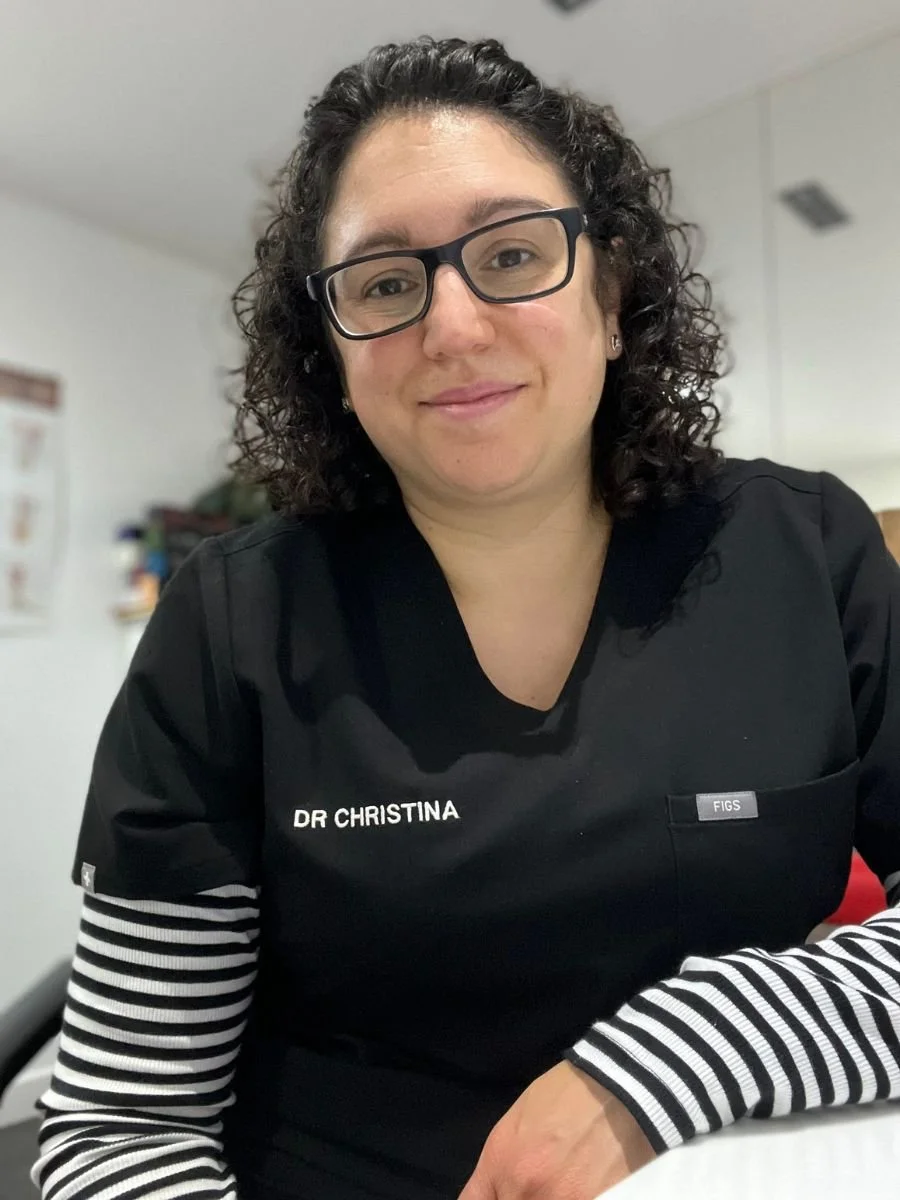
I’m Christina, a GP, nutrition advisor and menopause practitioner with a passion for helping women better understand what may actually be happening in their bodies during perimenopause and beyond.
Because often, understanding what’s happening is the first step to feeling more like yourself again.